A low brake-fluid level needs the reason established. Brake wear and leaks are among the considerations, but a warning, soft pedal, sinking pedal, or visible leakage requires immediate professional assessment. Do not assume a top-up restores safe braking or drive to test the result.

Read the reservoir under the right conditions
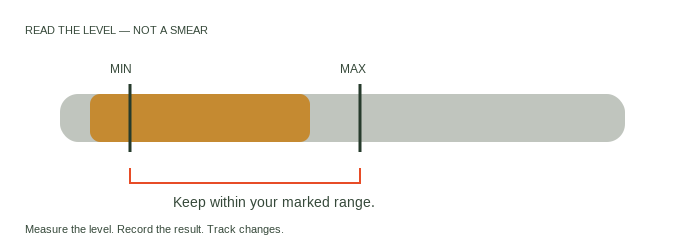
Follow the manual's instructions for the exact vehicle and identify the correct reservoir. Look through the container when possible rather than opening it unnecessarily. Note whether the level is near the minimum mark or has fallen rapidly, and record recent brake work. Do not use a reservoir photograph alone to diagnose the pads, master cylinder, or a leak. A workshop needs the pedal behavior and other symptoms as well.
Keep the system clean
If the manufacturer supports adding fluid in the situation, use only its specified product from a suitable clean container and follow its method. Engine oil, steering fluid, water, and dirt must not enter the braking circuit. Do not fill beyond the required range or add an unidentified fluid because it looks clear. If the wrong material has entered, stop and obtain a brake-system-specific recovery plan instead of diluting it.
Choose inspection over repeated top-ups
Braking condition is more important than reaching a line on a reservoir. Tell the repairer about warnings, pedal changes, fluid stains near wheels or beneath the car, and service history. Ask which finding explains the low level and how the repair will be verified. When normal braking is impaired or leakage is suspected, stop safely and arrange recovery rather than driving to the appointment.
- Record level, warning text, and pedal behavior.
- Keep contamination away from the cap.
- Do not repeatedly top up unexplained loss.
- Use recovery for an unsafe braking concern.
Common questions
Is low fluid always worn brake pads?
No. Wear is one consideration, but a leak or other fault must be assessed from evidence.
Can I drive if the pedal feels normal?
A remote impression cannot establish safety. Follow the warning instructions and have a low or falling level investigated.
