Identify whether the seat is finished leather, synthetic material or another upholstery before choosing a cleaner or conditioner. Use gentle controlled cleaning and keep liquid out of seams and equipment.

A leather look does not identify the material
Seat surfaces can combine several materials on the same chair. The center panel, bolster and rear cover may not share the same care requirements. Check the vehicle’s upholstery description and cleaning guidance before selecting a leather conditioner for every visible surface.
A conditioner recommended for one finished leather can be unsuitable for a synthetic surface or a specialty finish. Tesla’s synthetic-seat cleaning guidance, for example, differs from general leather-care routines. Use that distinction to identify the correct process rather than treating the word premium as a material specification.
Clean gently and keep the application controlled
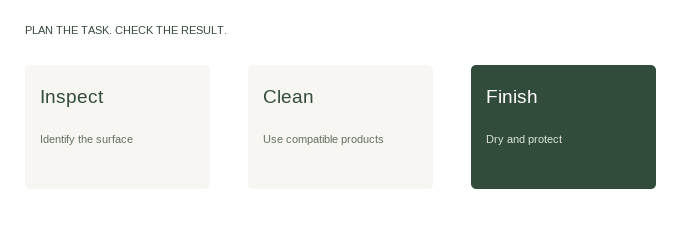
Vacuum loose grit with a suitable attachment, then test the cleaner on a concealed area. Apply a controlled amount using the supported cloth or applicator. Work lightly and lift dirt with fresh cloth faces instead of scrubbing one spot repeatedly. Keep the cleaner away from displays and transparent trim unless it is approved for those surfaces.
Perforations and seams can admit liquid into the cushion or nearby equipment. Do not spray an entire seat until it is wet. Avoid introducing cleaner into belt mechanisms or airbag areas. If a finish starts transferring color or becoming tacky, stop the treatment and reassess the product and material.
Condition only when that surface calls for it
Follow the material’s maintenance requirements after cleaning. Some leather-care systems include a conditioner; some synthetic upholstery instructions do not. Applying an additional dressing because the seat feels dry can leave residue or change the surface rather than improve it.
Allow the seat to dry as directed and inspect it under normal light before putting covers or items back. Keep a note of the actual product and upholstery material. If the concern is peeling, cracking or a torn seam, cleaning is separate from repair and aggressive chemical work can make the damaged area larger.
Identify the surface first
| Surface | Selection check |
|---|---|
| Finished leather | Leather-compatible cleaner and any required care step |
| Synthetic upholstery | Vehicle-approved cleaning method |
| Suede-like or specialty finish | Material-specific instructions |
| Peeling or torn surface | Repair assessment before chemical treatment |
Common questions
Can leather conditioner be used on vegan leather?
Use it only if the upholstery and product instructions permit that material. Synthetic seats do not automatically need leather conditioner.
Can I spray cleaner into perforations to remove odor?
Keep liquid controlled at the surface. Investigate the source of an odor rather than soaking the cushion or nearby equipment.
