Add only the oil your engine requires, through the engine-oil filler, with the engine off. Confirm that the measured level needs topping up, add a small amount, wait for it to reach the sump and recheck before adding more.

Check before you pour
Park on level ground and use the manual’s temperature and settling procedure. An apparent low reading on a slope or immediately after shutdown can lead to an unnecessary top-up. Find the specified viscosity and performance approval before opening a bottle; the oil cap alone may not show the complete specification.
Find the engine-oil filler
Identify the filler using the underhood diagram and the marked cap. Do not pour into a dipstick tube, coolant reservoir or brake-fluid reservoir by guesswork. Wipe loose dirt away from the filler before removing its cap. Use a clean funnel that fits securely and keep tools and packaging clear of the opening.
Use a measured top-up
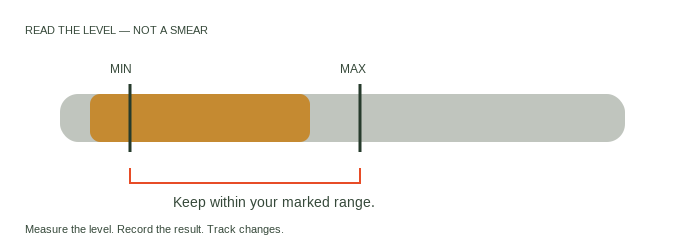
Pour a small amount slowly enough to prevent the funnel backing up. Allow time for oil to drain into the sump, then measure again by the same procedure. The quantity between dipstick marks varies, so a low mark is not permission to empty a one-quart bottle. Stop when the reading is within the permitted range.
- Keep a note of the starting level.
- Measure the amount added rather than estimating the bottle squeeze.
- Refit the filler cap and fully seat the dipstick.
- Clean spilled oil before starting the engine.
Keep the top-up in context
Adding oil restores the quantity; it does not replace an overdue oil and filter service. Record the mileage and amount so a repeated need becomes visible. If the level drops quickly, if a warning appears, or if the reading becomes unexpectedly high, investigate that change instead of treating another top-up as the complete repair.
Common questions
Can I add oil to a hot engine?
Let components cool enough to work safely and follow the prescribed measurement procedure. Avoid spilling oil on hot exhaust parts.
Should I run the engine while pouring?
Switch the engine off. Open the cap only when it is safe to do so, then secure it before any restart.
