Prepare the correct oil and filter, any required plug seal, fitted hand tools, a suitable drain pan and safe vehicle access before draining anything. The exact tools depend on the engine, filter housing and undertray.

Match tools to the actual job
Inspect access while the old oil is still in the engine. Check whether the filter is spin-on or cartridge, which socket fits the drain plug, and whether an undertray blocks access. A universal kit may omit the one cap wrench or fastener tool your car needs. Confirm tightening specifications and choose a torque wrench with a suitable working range.
Build a clean and safe workspace
Use gloves, eye protection, a clean funnel and lint-free cloths. Position a drain pan that can handle the full oil quantity plus a margin for movement and splashing. If lifting is necessary, use approved points and correctly rated supports. A hydraulic jack alone is not a work support.
Put consumables in reach
Lay out the new filter, correct replacement seals, oil and any specified new plug. Compare the filter part number before removing the old one. Keep packaging away from open filler holes. Prepare an oil-resistant catch sheet or absorbent material for accidental drips, without placing loose material near hot exhaust components.
- Confirm oil viscosity and required approval.
- Check filter and seal part numbers.
- Read ramp, stand and torque-wrench instructions.
- Arrange a secure used-oil container and collection route.
Include the finishing tools
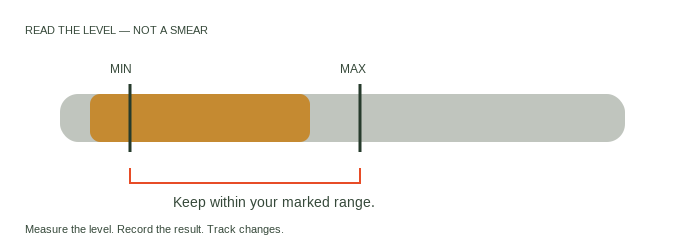
An oil change is incomplete until you can measure the final level, inspect for leaks and record the work. Keep the manual’s checking procedure available and note the reminder-reset method. Have somewhere to contain the old filter during transport. Buying tools after the sump has been drained creates avoidable pressure to improvise.
Common questions
Do I need a filter wrench?
Often for removal, but the correct type depends on the filter or cap. Installation follows the filter and vehicle instructions.
Can I use a large bucket instead of a drain pan?
Only a stable, suitable container with enough capacity and safe clearance should collect oil. A purpose-made pan generally makes positioning and transfer easier.
