Oil near the engine-transmission joint can suggest a rear engine seal, but leaks from above or nearby components can reach the same area. Because repair access can be extensive, ask for a confirmed source and evidence before authorizing a rear-main-seal replacement.

Describe where the fluid appears
Record parking stains, the level trend, and whether the engine or transmission was recently serviced. Engine oil and transmission fluids can overlap in appearance after use, so a dark drip does not identify the system. An undertray can move the landing point again. Inspection from above may reveal fresh oil from cover edges or other components, but a workshop often needs proper lower access to trace the source accurately.
Ask how the leak was confirmed
A technician may clean the area, inspect higher surfaces, and use an appropriate tracer or other method when required. Request an explanation of why the rear seal is implicated and what alternatives were ruled out. Do not accept the phrase rear leak as equivalent to a confirmed rear main seal. Relevant ventilation or pressure issues should also be considered where the engine design and evidence justify them.
Compare the full repair scope
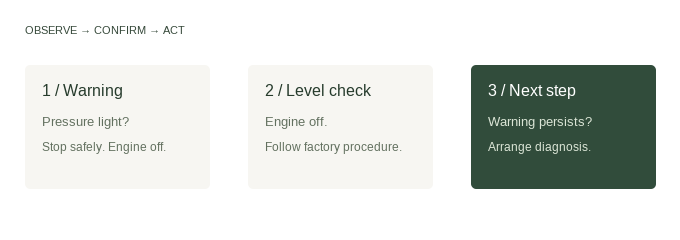
Ask what must be removed for access, which seals and one-time-use parts are included, and whether related components will be inspected while accessible. Follow the vehicle-specific procedure rather than using a bottle as a substitute for a diagnosis. After repair, the area should be clean enough to verify the result and the correct fluid levels should be documented. Rapid loss, pressure warnings, or oil near hot or braking components requires urgent assessment.
- Identify the leaking fluid system.
- Request evidence from above the joint.
- Compare access labor and parts in writing.
- Keep photos before and after cleanup.
Common questions
Can a drip between engine and gearbox be something else?
Yes. Oil can travel from higher seals, housings, or other nearby sources.
Should I try stop-leak before diagnosis?
Check manufacturer restrictions and confirm the source first; a treatment can delay a necessary repair without identifying the fault.