A Forester that needs repeated top-ups should be checked for leaks and monitored with a consistent oil-use log. The exact engine, year and measured rate matter when discussing diagnosis or vehicle-specific support.
Subaru Forester
Model-family oil and maintenance guidance.

Forester oil consumption — what to confirm
Start from the correct level and approved lubricant, using the manual's checking conditions. Record date, odometer and any added quantity. Note whether the concern followed service, began suddenly or developed gradually. Look for external oil without entering an unsafe position under the vehicle. The absence of a driveway puddle does not establish that oil is not leaking or being consumed.
A practical way to handle it
If a shop proposes a controlled consumption test, ask for its instructions before beginning. Clarify checking conditions, necessary top-ups, how the starting point is documented and what to do if a warning appears. Keep receipts and request written results. Maintain the safe level throughout; deliberately allowing an engine to run low is not a valid way to strengthen evidence.
Mistakes to avoid
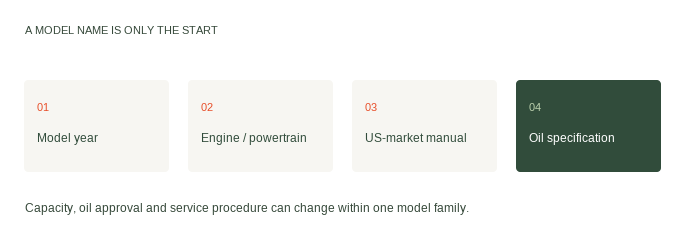
Do not assume every Forester engine has the same issue or qualifies for the same remedy. A service bulletin, warranty extension and safety recall are distinct. Ask Subaru or a dealer to check the specific VIN and current applicability. Avoid unsupported additives or viscosity changes while a test is being performed, because they can obscure the baseline.
Your working checklist
- Use a repeatable level-check method.
- Log mileage and measured additions.
- Inspect for external leaks.
- Request written test conditions and VIN-specific advice.
Common questions
Does one low reading prove excessive consumption?
No. Recheck correctly and establish a measured pattern. A mistaken fill, tilted parking or inconsistent waiting time can affect a reading, while sudden loss or warnings call for prompt attention.
What should a written consumption-test result contain?
Ask for the starting conditions, recorded mileage, measured use, any additions and the next recommended action. Clear conditions make the result easier to interpret than an unsupported statement that oil use is normal or abnormal.