Transmission fluid must match the exact gearbox, not just the vehicle brand or fluid color. Conventional automatics, CVTs, dual-clutch units, and manuals can require different products and procedures. Identify the transmission and consult its specifications and service schedule before checking, buying, or changing fluid.

Build the identification record
Collect the model year, engine, market, and transmission designation using the owner manual, build information, or a manufacturer lookup. A car advertised as automatic may use a conventional automatic, CVT, or dual-clutch system, and hybrid layouts add further variation. Record the complete required fluid specification, including any suffix. A bottle saying suitable for many vehicles is not a replacement for confirming its claim against the exact application.
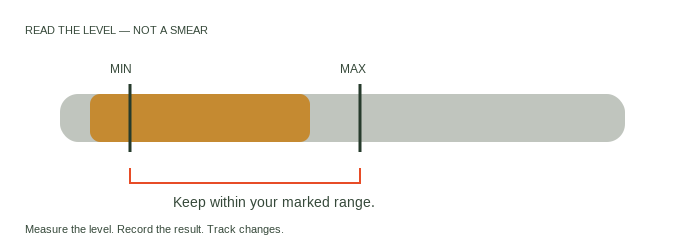
Check whether a home level check is supported
Some transmissions have a dipstick, while others require level plugs, a defined temperature, scan information, or workshop equipment. Engine-running requirements also vary. Do not apply the engine-oil dipstick procedure to a gearbox. Ford's owner guidance includes examples with warm running checks and other applications without a dipstick, illustrating why a universal method fails. Follow the manual for the actual vehicle and avoid hot moving components.
Separate maintenance from symptom diagnosis
Use the specified normal or severe-service schedule and ask what a proposed drain-and-fill or exchange includes. Slipping, delayed engagement, warning messages, or leakage needs diagnosis; a fluid change is not a guaranteed repair. Request the exact fluid, quantity basis, filter scope, and level-setting method on a quote. Keep waste fluids separate and confirm recycling acceptance. Do not use additives or cleaners unless the manufacturer explicitly supports the application.
- Identify the gearbox, year, engine, and market.
- Copy the complete fluid specification.
- Confirm the checking and level-setting procedure.
- Retain service products and quantities on the invoice.
Common questions
Can all automatic transmissions use the same ATF?
No. Fluid requirements and friction behavior differ by transmission design and specification.
Does sealed mean no service is ever possible?
It often means no ordinary dipstick check. Follow the exact maintenance and repair guidance rather than the label alone.

