A new noise in clutch fluid during after a recent service is a check against the manual, not a cue to pour a different product.

What you are looking at
This page is about a new noise in the clutch fluid during after a service. A new knock, whine, groan, or grind can be low fluid, aerated fluid, or a mechanical fault that fluid will not fix. Adding fluid is reasonable only after the level is confirmed low by the proper check, and only up to the mark. After a service, confirm the level yourself once the car is cold and level, and look underneath for a fresh drip. A wrong plug, a double gasket on a filter, or an underfilled housing shows up on that first check, not a month later.
A hydraulic clutch uses fluid, often from a specification shared with the brakes and sometimes from its own reservoir. The manual says which. A rising pedal, a pedal that stays on the floor, or gears that grind because the clutch will not release is a hydraulic or mechanical fault, not a habit to drive through.
What to do before adding any product
Identify the reservoir or the plug for the clutch fluid before you open a cap. Do not pour an unknown fluid into the clutch reservoir, and do not borrow fluid from the brake reservoir unless the manual says they are the same circuit.
A steady warning with a normal temperature gauge and no leak under the car can usually wait for a scheduled look. A flashing check-engine light, a hot gauge, a brake warning, or a growing puddle means stop.
- Match the product to the manual specification, not to the color or the shelf tag.
- Measure the level the way that reservoir is designed to be measured.
- Write down the date, the mileage, the product, and how much you added.
- Look again after the car has sat, and look for a fresh drip.
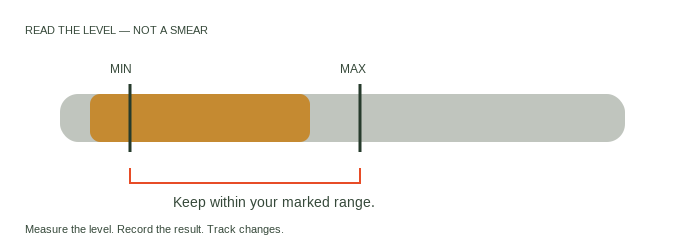
What a shop needs if you hand it over
Tell the shop you are asking about clutch fluid, that the observation is a new noise, and that the driving pattern is after a service. Give the product name if anything was added, and say whether a warning lamp is on.
Ask them to identify the specification from the manual for this exact engine or transmission before they sell a flush or a different fluid. A flush is not the first step for a leak, a mixed fluid you have not identified, or a level that was simply misread.
Common questions
Can I just top up the clutch fluid?
Only if the level is actually low, you have the specification, and you are not masking a leak or a warning. A steady warning with a normal temperature gauge and no leak under the car can usually wait for a scheduled look. A flashing check-engine light, a hot gauge, a brake warning, or a growing puddle means stop.
Does this driving pattern change the specification?
After a service, confirm the level yourself once the car is cold and level, and look underneath for a fresh drip. A wrong plug, a double gasket on a filter, or an underfilled housing shows up on that first check, not a month later. It can change the inspection interval. It does not authorize a different product.
