If an Odyssey repeatedly needs oil, establish a measured record and inspect for external leaks. Correct oil, consistent checking conditions and documented top-ups help distinguish normal service history questions from a developing engine problem.
Honda Odyssey
Model-family oil and maintenance guidance.

Odyssey oil consumption — what to confirm
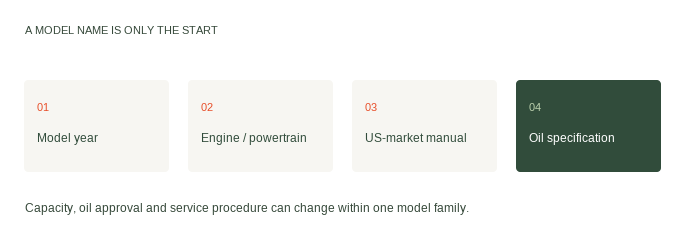
A van used for school runs, long trips and long idling periods can accumulate operating time in ways the odometer does not fully express. Begin with the exact year, engine and maintenance history. Note whether loss started suddenly, after service or gradually. Check for wet areas and oil on the parking surface without crawling beneath an unsupported vehicle.
A practical way to handle it
Bring the level into the permitted range using the specified oil, then log dates, mileage and exact added amounts. Use the same checking method each time. A shop may set its own controlled consumption-test process; follow that process and ask how necessary top-ups should be documented. Keep the engine safely supplied with oil throughout the test.
Mistakes to avoid
Do not label a valve-cover leak, internally consumed oil and a spill left from service as the same fault. A blue-smoke description is useful but is not a complete diagnosis. An online account about another Odyssey generation does not prove a recall or warranty remedy applies. Confirm any program with the VIN and retain the findings.
Your working checklist
- Start from a verified, correct oil level.
- Track top-up quantity against distance.
- Record smoke, smells and visible leaks.
- Check current VIN-specific information through Honda.
Common questions
Should I wait until the next oil change to report repeated loss?
No. An engine can run low between scheduled services. Maintain the correct level and arrange diagnosis when oil use becomes repeated, sudden or accompanied by warnings or poor running.
Can I keep driving while gathering a long consumption log?
Keep the level within its permitted range and follow all warnings. A sudden loss, active leak, unusual noise or pressure warning needs prompt assessment; collecting evidence is not a reason to continue unsafe operation.