Time depends on access, draining method, filter design and the finishing checks. For a first DIY change, leave an unhurried work window. A quoted workshop appointment may include queueing and inspections as well as the oil service itself.

Break the work into stages
Preparation includes verifying products, gathering tools, making the car safe and removing any shields. Draining is only one stage. Filter replacement, sealing the plug, refilling, checking for leaks and measuring the final level all need time. A speed-focused estimate often leaves out those essential steps.
Identify likely delays before starting
Look at filter access and fastener condition while the car remains usable. A seized plug, damaged shield screw or missing filter wrench can stop a job. The first service on an unfamiliar car is usually less predictable than a repeat service with known tools. Do not begin shortly before you need the car for an unavoidable journey.
Ask what a shop’s time estimate means
Confirm whether the estimate is for a booked bay or a walk-in queue, and whether it includes extra checks you requested. Ask how you will be contacted if the shop finds damage or a missing part. An appointment should still allow correct oil selection and a final level check.
- Prepare all parts before disabling the car.
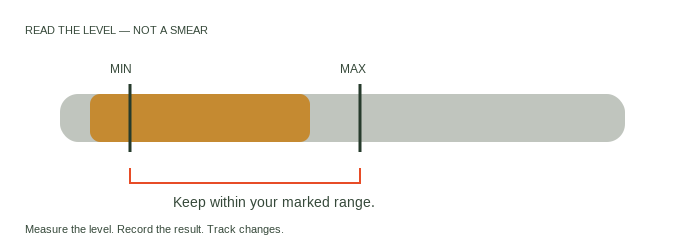
- Read the level-check waiting requirement.
- Leave time for cooling and cleanup.
- Allow a short local post-service inspection opportunity.
Avoid trading verification for speed
Do not shorten the drain or settling procedure contrary to service instructions just to match an online time claim. A rushed gasket installation or overfill can create more work than the time saved. A useful estimate covers the complete job, including safe transport of waste oil and accurate maintenance records.
Common questions
Is a faster oil change necessarily worse?
No. Familiarity and suitable equipment can make work efficient. The required procedures and checks still need to be completed.
Should I wait until oil stops dripping completely?
Follow the service procedure. Chasing every residual drop is not a substitute for correct refill measurement.