Start with cool paint, rinse away loose grit, wash small areas with a clean wash medium and automotive shampoo, then rinse and dry before residue sets.

Set up a clean wash area
Choose shade and give a recently driven car time to cool. Close the windows and organize separate equipment for the body and wheels. A towel that has touched a dirty wheel should not become the cloth you use on the hood. Set out enough clean drying towels before you wet the car so the final panels are not left drying while you search for supplies.
Check where wash water will collect. Use a location and disposal method that keep oily or chemical runoff out of storm drains. If you cannot manage the runoff at home, a suitable commercial wash location can make the job easier. Put bottles upright and measure shampoo using the product’s mixing directions rather than adding more until the foam looks impressive.
Remove dirt before contact washing
Rinse loose soil from the body and wheel wells before touching the paint. Clean the dirtiest separate components with their own equipment, then work on the body in manageable sections. Let the shampoo provide lubrication and use light contact. Fold or rinse the wash medium frequently so trapped grit is carried away rather than dragged across the next panel.
Move from cleaner upper panels toward dirtier lower areas. If the mitt falls on the ground, replace it with a clean one. Keep each area wet enough that shampoo does not dry on it. For stubborn tar, bird residue or bonded contamination, use a compatible targeted process instead of repeatedly scrubbing the spot during the wash.
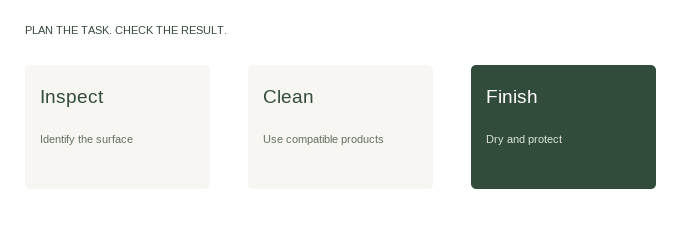
Rinse, dry and inspect
Rinse remaining shampoo completely and dry with clean, absorbent towels using gentle contact. Open and dry accessible door shuts once the main body is finished, keeping dirty edge towels separate. Look at the glass, trim and lower panels under good light before putting the equipment away.
A wash removes loose contamination; it will not repair a deep scratch or missing paint. If the finish still feels rough after washing, examine the contamination before choosing a clay or polishing step. Wash the towels separately from greasy garage rags and store the clean kit away from your oil-change equipment.
A simple wash sequence
| Stage | Equipment | Finish before moving on |
|---|---|---|
| Preparation | Cool panels, clean towels, measured shampoo | Loose grit rinsed away |
| Contact wash | Clean mitt or soft cloth | Each section rinsed |
| Drying | Fresh absorbent towels | Glass and edges checked |
Common questions
Can I use one bucket and one towel for everything?
Separate dirty wheel equipment from paint equipment and keep clean replacement towels available. Reusing a gritty towel increases the chance of marking the finish.
Should I wash in direct sunlight?
Cool shaded panels make it easier to keep shampoo and rinse water from drying before you can remove them.