Use a broad spray and controlled distance, keep the jet moving, and avoid forcing water into seals, damaged paint, electronics or charging equipment.

Control the jet before approaching paint
Confirm that the pressure washer and nozzle are suitable for vehicle cleaning. A narrow concentrated jet can put far more force on a small spot than a broad fan. Begin conservatively with a wide pattern and ample separation, then use the vehicle and equipment instructions to set the working position. Test away from fragile trim before making a full pass.
Do not transfer a pressure, distance or angle from one vehicle’s graphics instructions to every car. Existing chips, peeling clear coat, loose badges, wraps and repaired areas deserve extra care. If a defect starts lifting, stop the pressure-washing step instead of trying a closer pass to clean the edge.
Keep water out of vulnerable areas
Do not direct the jet at open windows, door seals, exposed wiring or charging connectors. Tesla’s cleaning instructions, for example, specifically warn about high-velocity water at charging equipment. Finish charging and close the appropriate covers before washing. A closed cover does not make it a target for a concentrated jet.
Wash cameras and sensors using their supported cleaning method. Use gentle water and a suitable soft cloth where necessary rather than treating every lens like a body panel. Keep feet, hands, other people and pets out of the spray path, and route the hose so it does not drag grit across the paint.
Pressure rinsing is one part of the wash
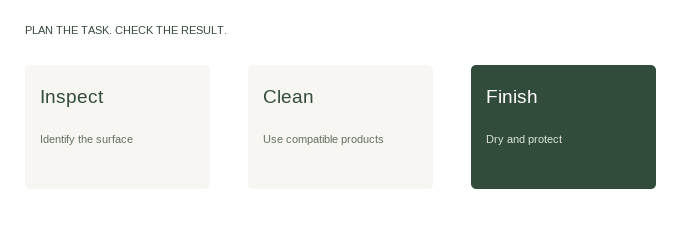
A pressure rinse can remove loose dirt, but bonded film may still need a lubricated contact wash. Do not compensate for remaining film by repeatedly concentrating pressure on one patch. Follow the rinse with the appropriate wash method, then remove soap and dry the finish.
Check the work from several angles when the car is dry. Water in a mirror housing or trim seam can run out after the main panels look finished. Keep a clean edge towel ready for those drips instead of repeatedly wiping fresh water with a dirty lower-body towel.
Choose a gentler approach for sensitive areas
| Area | Approach |
|---|---|
| Loose paint or wrap edge | Avoid directing pressure into the edge |
| Seals and electronics | Keep the jet away from openings |
| Cameras and sensors | Use their specified cleaning method |
Common questions
Can I use the strongest setting to avoid touching the paint?
Use the setting and nozzle approved for the task. More concentrated force can damage defects and seals without replacing a proper wash.
Is one distance safe for every vehicle?
The nozzle, pressure, angle and surface all affect the result. Use the relevant vehicle and equipment limits together.