Rinse accessible salt deposits from the underside and wheel wells using a supported cleaning method, with the vehicle stable and the wash water contained appropriately.

Choose access that keeps you out of danger
An underbody wash does not justify crawling beneath a vehicle held only by a jack. Use a suitable commercial underbody wash or a ground-level rinsing attachment when that provides enough access. Keep the vehicle stationary and follow the wash location’s operating instructions. If lifting is genuinely needed for another service, set up the correct rated support first.
Let hot components cool and inspect for loose shields or damaged wiring before aiming water underneath. A dangling undertray can trap a forceful jet and get worse. Avoid trying to diagnose a mechanical leak while the whole underside is wet; record any suspect area and inspect it again when dry.
Remove accumulated deposits methodically
Concentrate on accessible wheel wells and areas where salty mud collects rather than spraying randomly at the center of the floor. Gentle thorough rinsing and adequate access are more useful than a highly concentrated jet. Do not force water into connectors, vents or seals. Keep the nozzle moving and clear of vulnerable hoses and wiring.
Tesla’s cleaning guidance specifically includes rinsing winter road salt from the underside, wheel wells and brakes. That illustrates the importance of those areas; the equipment limits still belong to the vehicle being washed. A salt-removal rinse also cannot repair corrosion that has already perforated metal or damaged a component.
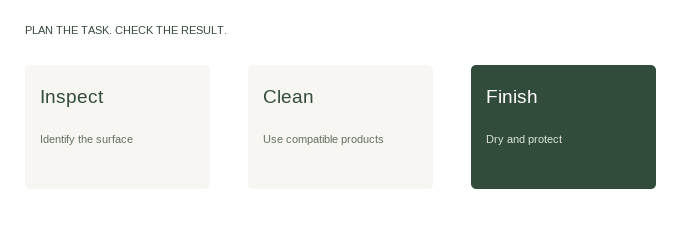
Finish with a dry inspection
Look for retained mud, loose shields and fluid drips after the rinse. Follow the vehicle’s brake-drying instructions before ordinary travel. If braking feels abnormal or a warning remains, resolve it before driving away. Take photographs of corrosion or damaged protective coatings so a workshop can assess the location and severity.
After repeated winter exposure, make underbody cleaning one part of a broader inspection routine. Check obvious drain openings for blockage without poking into hidden components. Separate cosmetic staining from structural corrosion concerns and have weakened mounts, brake lines or suspension attachment areas assessed promptly.
Choose an access method
| Setup | Useful for | Avoid |
|---|---|---|
| Ground-level attachment | Accessible deposits | Reaching under moving equipment |
| Commercial underbody wash | Routine salt rinsing | Ignoring site operating instructions |
| Raised vehicle inspection | Separate properly supported work | A jack as the only support |
Common questions
Can I spray underneath while someone holds the car on a jack?
No. Keep people out from under unsupported vehicles. Choose ground-level equipment or a suitable professional wash.
Does washing remove existing structural rust?
A rinse removes deposits. It does not restore metal that has already corroded or verify the strength of a damaged component.
