An AT OIL TEMP message concerns the transmission system, not a request to add engine oil. Identify the exact message and whether it is steady or flashing in your Subaru manual before taking action.
Subaru Ascent / Baja / BRZ / Crosstrek / Forester / Impreza / Legacy / Outback / Tribeca / WRX / WRX STI
Model-family oil and maintenance guidance.

Subaru warning identification — what to confirm
A driver searching oil light may encounter advice about engine pressure, engine level, service reminders and transmission temperature. These are different systems. When safe, note the message exactly, the driving conditions and whether other warnings appeared. Use the warning section for your model year and transmission rather than treating the shared word oil as a diagnosis.
A practical way to handle it
Follow the manual's response for that particular warning. If the vehicle needs to be stopped, do so safely. Do not open transmission fill points or add fluid based on guesswork. Provide a shop with the warning behavior, load, terrain and recent service details. Separately maintain the engine-oil level using its own specified inspection procedure.
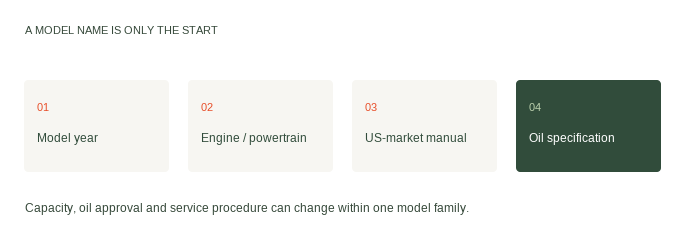
Mistakes to avoid
Do not pour engine oil into a transmission system or assume an engine oil change will clear a transmission-temperature concern. Do not erase messages before recording them or keep towing under a warning while hoping the next oil service will fix it. If an engine-pressure warning is displayed instead, follow its separate urgent instructions.
Your working checklist
- Record exact wording and warning behavior.
- Identify engine versus transmission system.
- Follow the matching manual's response.
- Tell the shop about load and recent work.
Common questions
Will adding engine oil fix AT OIL TEMP?
No. That message is associated with the transmission system. The correct response depends on the vehicle and warning behavior, so follow the matching owner's manual and obtain diagnosis when needed.
Should I clear the AT OIL TEMP warning before a shop visit?
Record the exact warning and operating conditions first, and follow the manual's response. Do not erase useful information or keep using the vehicle against warning instructions simply to see whether the message returns.