A waterless wash uses a ready-to-use spray and clean towels; a rinseless wash uses a specifically diluted washing solution without a final hose rinse. Heavy grit can require a conventional pre-rinse.

The methods use different products
Do not treat the words waterless and rinseless as interchangeable dilution instructions. A ready-to-use spray and a concentrate designed for a bucket are different products. Optimum’s No Rinse directions describe mixing its rinseless product for the intended use. Meguiar’s waterless wash is presented as a spray-on cleaning product. Use the label on the actual formula you own.
Prepare enough clean towel faces for the whole job. A method that saves hose water still needs a way to move dirt off the paint. Reusing a dirty cloth because you are nearly finished defeats that purpose. Mark a separate collection container for used towels so they are not confused with the clean stack.
Assess contamination before choosing
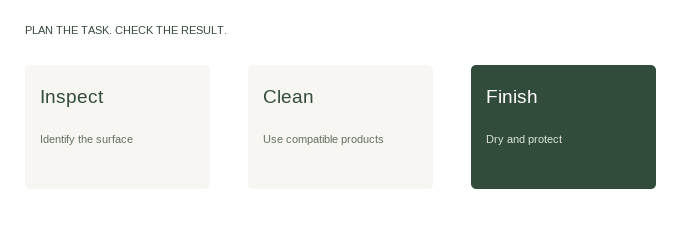
Inspect the lower doors, rear hatch and wheel arches as well as the clean-looking hood. Dust on the roof can coexist with gritty mud low on the body. If coarse material is stuck to the finish, use a suitable pre-rinse or choose a conventional wash rather than trying to make a light-cleaning spray handle everything.
Work one small section at a time with the lubrication, dwell and wiping method stated for the product. Turn to a clean towel surface frequently. If a patch needs repeated aggressive wiping, stop and identify whether it is tar, mineral residue or another contaminant that needs a different treatment.
Plan drying and cleanup
Have drying towels ready before you start. Keep wheel and tire equipment separate from the body kit, even when both tasks use little water. Wash used towels promptly using a process suited to microfiber and store them clean for the next session.
For apartment or shared parking, check whether any cleaning activity is allowed and whether the location can accommodate wet towels and drips. A reduced-water method can be convenient, but it does not remove the need for a clean working area or appropriate chemical storage.
Match the product to the process
| Method | Typical setup | Key check |
|---|---|---|
| Waterless | Ready-to-use spray and several towels | Contamination is suitable for wiping |
| Rinseless | Labeled concentrate, water and clean wash media | Correct dilution and drying method |
| Conventional | Pre-rinse, shampoo and rinse water | Runoff can be managed |
Common questions
Can I make any car shampoo rinseless by diluting it more?
Use a product specifically intended for that method. Changing the dilution does not establish that a conventional shampoo can be left without a rinse.
Which method is best for dried mud?
Remove coarse contamination with a suitable pre-rinse or conventional wash before light-contact cleaning.